Sexual Dysfunction: Causes, Symptoms & Treatment Options in Jaipur
Sexual dysfunction refers to persistent problems related to sexual desire, arousal, orgasm, ejaculation, erection, or pain during sexual activity. It can affect both men and women and may have physical, psychological, emotional, medication-related, or relationship-related causes. When sexual difficulties become persistent or cause distress, professional evaluation can help identify the underlying factors and guide appropriate treatment.
What Is Sexual Dysfunction?
Sexual health is influenced by the interaction of physical health, hormones, emotions, mental well-being, medications, lifestyle, and relationships. Sexual dysfunction can therefore occur for many different reasons rather than from a single underlying problem.
Common forms may include:
- Low sexual desire or reduced libido
- Difficulty becoming sexually aroused
- Erectile difficulties
- Premature or delayed ejaculation
- Difficulty reaching orgasm
- Pain or discomfort during sexual activity
- Loss of sexual satisfaction
Occasional sexual difficulties are common. However, persistent problems that cause distress or affect a relationship deserve professional attention.
Common Causes of Sexual Dysfunction
Psychological Causes
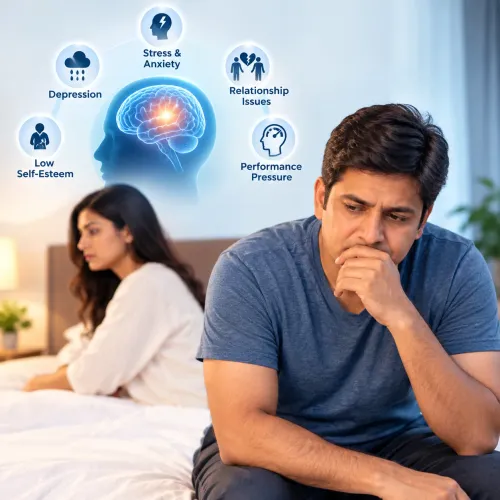
Mental and emotional health can have a significant effect on sexual functioning. Anxiety, depression, chronic stress, low self-esteem, relationship difficulties, performance anxiety, and emotional distress may contribute to sexual problems.
For example, anxiety about sexual performance may create a cycle in which worry interferes with arousal or erection, which then increases anxiety during future sexual encounters.
Physical and Medical Causes
Certain health conditions can contribute to sexual dysfunction, including diabetes, cardiovascular disease, neurological disorders, hormonal problems and other chronic illnesses. Erectile difficulties, for example, can sometimes be associated with conditions such as diabetes, high blood pressure, heart disease or low testosterone.
Medication-Related Causes
Some prescription medicines can affect sexual desire, arousal or orgasm. Certain antidepressants and medicines used for other medical conditions may contribute to sexual side effects. A healthcare professional can review current medications and determine whether adjustments may be appropriate
Do not stop or change prescribed medication without medical advice.
Lifestyle and Relationship Factors
Excessive alcohol use, smoking, fatigue, ongoing stress and relationship difficulties may also affect sexual health. Communication problems, unresolved relationship conflicts and reduced emotional intimacy can contribute to sexual difficulties.
Symptoms of Sexual Dysfunction
Symptoms vary according to the underlying condition and may include:
- Reduced interest in sexual activity
- Difficulty developing or maintaining an erection
- Difficulty becoming or remaining aroused
- Premature or delayed ejaculation
- Difficulty achieving orgasm
- Reduced sexual satisfaction
- Pain during sexual activity
- Anxiety or emotional distress related to sexual performance
If these symptoms persist or interfere with personal well-being or a relationship, consulting a qualified healthcare professional is recommended.
Sexual Dysfunction Treatment in Jaipur
Treatment depends on the underlying cause. A comprehensive evaluation may consider mental health, physical health, medications, lifestyle factors and relationship concerns.
1. Psychiatric Evaluation
A psychiatrist can assess whether conditions such as anxiety, depression, stress or other mental health concerns may be contributing to sexual difficulties. Identifying and addressing the underlying issue is an important part of personalized care.
2. Psychological Counselling and Therapy
Counselling or psychotherapy may help individuals address performance anxiety, negative thought patterns, emotional distress, relationship concerns and other psychological factors associated with sexual dysfunction. Couples counselling may also be useful when relationship factors contribute to the problem.
3. Review of Medications
If sexual symptoms appear after starting a medication, a doctor can review the treatment and determine whether an alternative or adjustment is appropriate. Medication decisions should always be made under professional supervision.
4. Managing Associated Mental Health Conditions
When sexual dysfunction is associated with anxiety, depression, sleep difficulties or other psychiatric concerns, treating the underlying condition may improve overall well-being and sexual functioning.
5. Healthy Lifestyle Habits
Regular physical activity, adequate sleep, stress management, limiting alcohol and avoiding tobacco can support overall physical and sexual health.
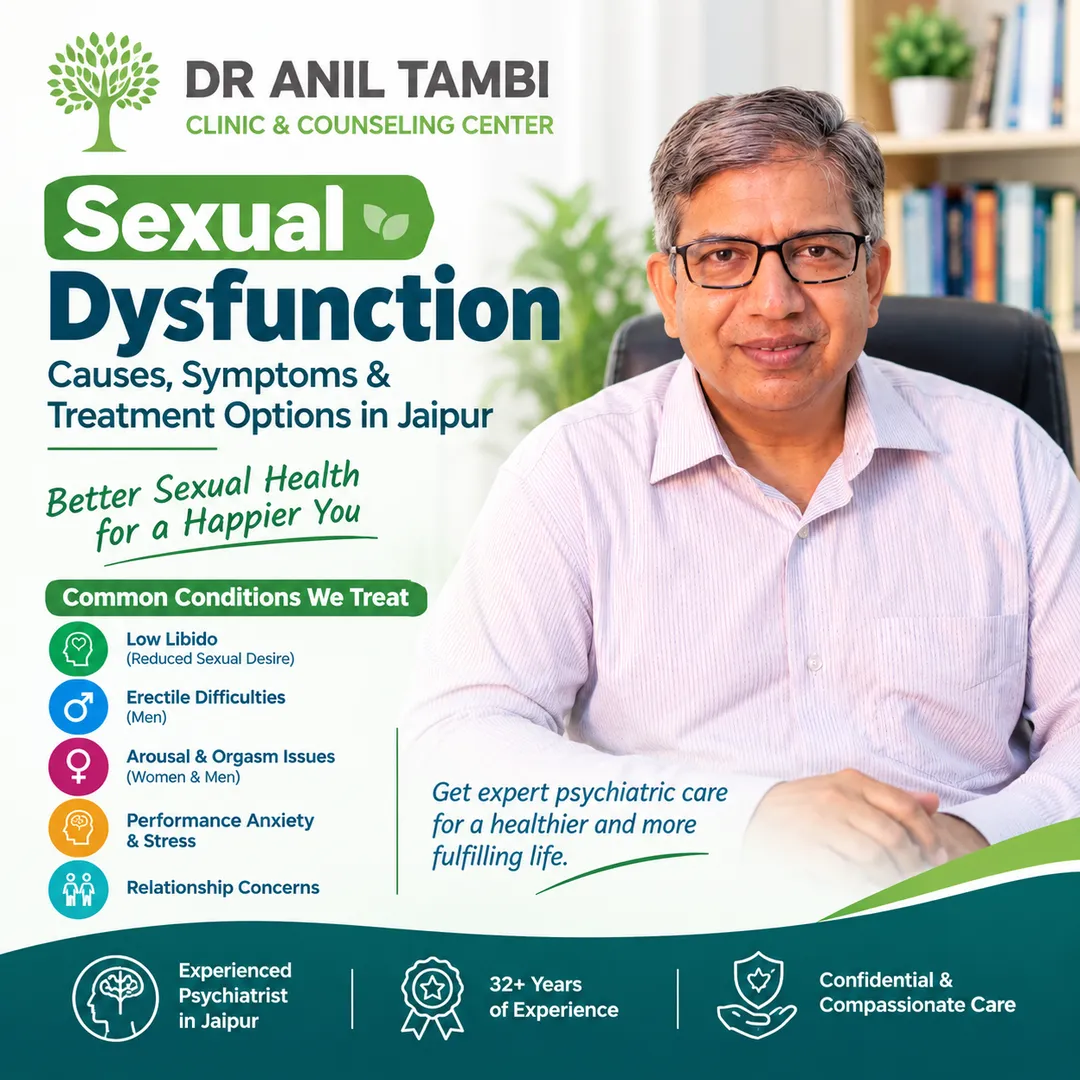
Consult Dr. Anil Tambi – Psychiatrist in Jaipur
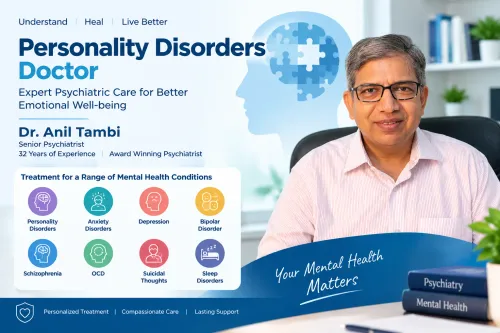
Dr. Anil Tambi is a renowned psychiatrist in Jaipur with 32 years of clinical practice and extensive experience in the field of psychiatry. He provides psychiatric care for a range of mental health concerns, including anxiety disorders, depression, bipolar disorder, schizophrenia, OCD, suicidal thoughts and sleep disorders.
With extensive clinical experience and a patient-focused approach, Dr. Anil Tambi provides professional assessment and individualized treatment planning for patients experiencing mental and emotional health concerns that may also affect their quality of life and relationships.
When Should You Seek Professional Help?
You should consider consulting a healthcare professional if sexual difficulties are persistent, suddenly develop, cause significant distress, affect your relationship, or occur alongside other physical or psychological symptoms. Sexual problems can sometimes be related to an underlying medical condition or medication, so proper evaluation is preferable to self-treatment.
FAQs About Sexual Dysfunction
Q. Can anxiety cause sexual dysfunction?
Yes. Anxiety and performance-related stress can interfere with sexual desire, arousal and erectile function.
Q. Can depression affect sexual desire?
Yes. Depression can contribute to reduced sexual desire and other sexual difficulties. Some antidepressant medicines can also cause sexual side effects.
Q. Is sexual dysfunction treatable?
Treatment depends on the underlying cause. Options may include counselling, psychotherapy, management of associated health conditions, medication review and lifestyle changes.
Q. Should I consult a psychiatrist for sexual dysfunction?
A psychiatrist can be particularly helpful when anxiety, depression, stress, medication effects or other psychological factors may be contributing. Physical causes may require evaluation by an appropriate medical specialist as well.
Get Professional Guidance for Sexual Dysfunction in Jaipur
Sexual dysfunction is a common health concern and is not something that should be ignored because of embarrassment or stigma. With appropriate evaluation, the contributing factors can be identified and a suitable treatment approach can be considered.
Keywords