Psychological Factors in Sexual Dysfunction | Dr. Anil Tambi
Sexual dysfunction can affect a person's physical health, emotional well-being, relationships, and quality of life. While physical conditions can contribute to sexual difficulties, psychological factors such as stress, anxiety, depression, and relationship concerns may also play an important role. Understanding these factors can help individuals seek appropriate care and improve their overall well-being.
How Psychological Factors Affect Sexual Health
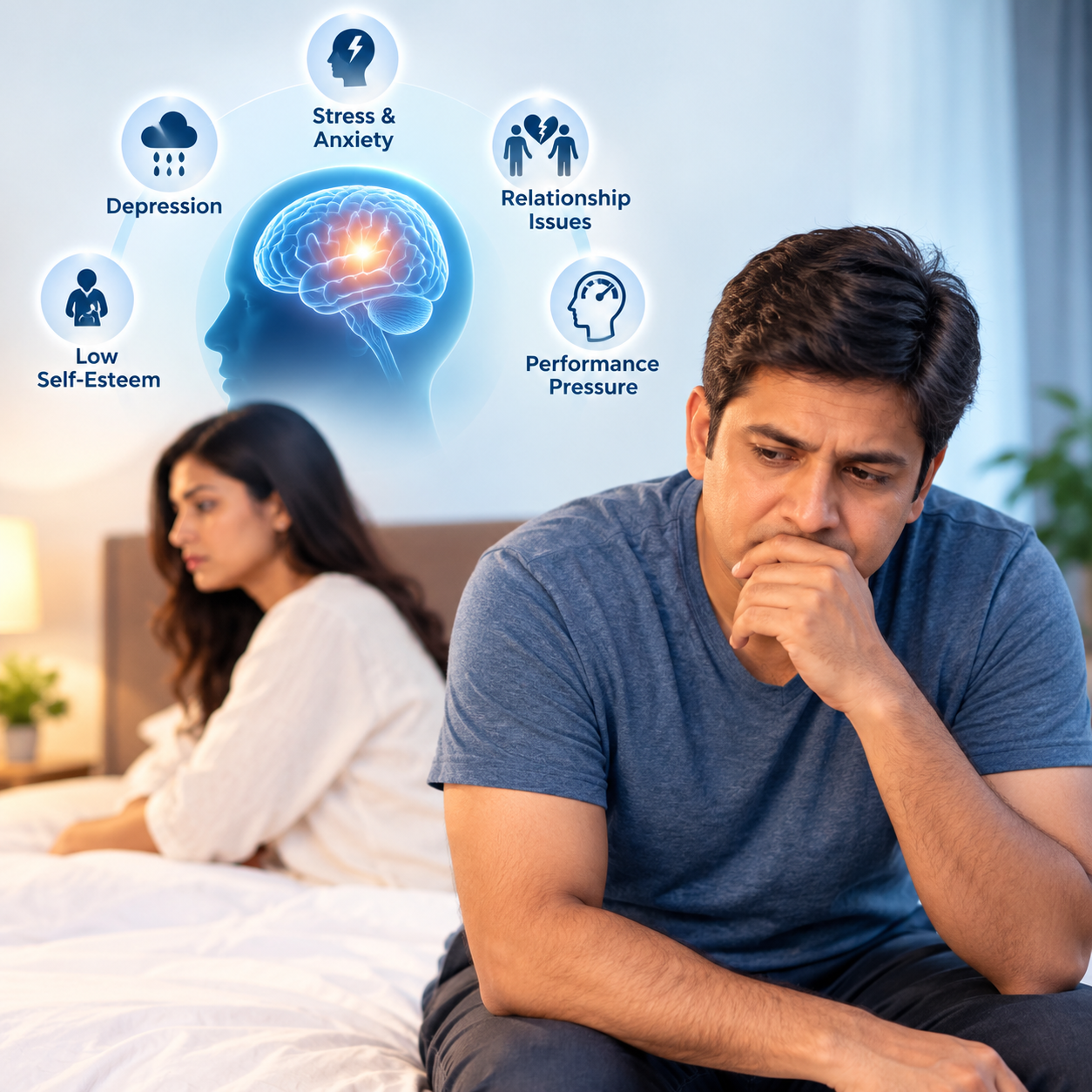
Mental and emotional health can influence sexual desire, arousal, performance, and satisfaction. Some common psychological factors associated with sexual dysfunction include:
- Stress and Anxiety: Work pressure, financial concerns, and daily responsibilities can affect sexual desire and performance.
- Performance Anxiety: Fear of not performing adequately during sexual activity may create a cycle of worry and recurring difficulties.
- Depression: Low mood, reduced motivation, and changes in self-esteem can affect sexual interest and satisfaction.
- Relationship Problems: Communication difficulties, unresolved conflicts, and emotional distance between partners may contribute to sexual concerns.
- Past Emotional Experiences: Negative experiences or psychological distress may influence comfort, confidence, and intimacy.
- Low Self-Esteem: Negative thoughts about oneself or one's body can affect confidence and sexual well-being.
Common Signs of Sexual Dysfunction
Sexual dysfunction may involve reduced sexual desire, difficulty achieving or maintaining an erection, problems with arousal, premature or delayed ejaculation, difficulty reaching orgasm, or pain during sexual activity. These concerns can have physical, psychological, or combined causes.
Occasional difficulties do not necessarily indicate a medical problem. However, persistent or distressing symptoms deserve professional evaluation.
Diagnosis and Treatment
Treatment depends on the underlying cause and the individual's needs. A healthcare professional may review medical history, emotional well-being, medications, lifestyle factors, and relationship concerns to understand the problem.
Depending on the assessment, treatment may include psychological counselling, cognitive behavioural therapy (CBT), stress-management techniques, relationship counselling, lifestyle changes, or medical treatment when indicated. A combination of approaches may be helpful for some individuals.
Patients should avoid self-medication and seek professional advice before using medicines or supplements for sexual health concerns.
When to Seek Professional Help
Consider consulting a qualified healthcare professional if sexual difficulties persist, cause emotional distress, affect a relationship, or develop alongside other physical or psychological symptoms. Early assessment can help identify contributing factors and guide appropriate care.
Consult Dr. Anil Tambi in Jaipur
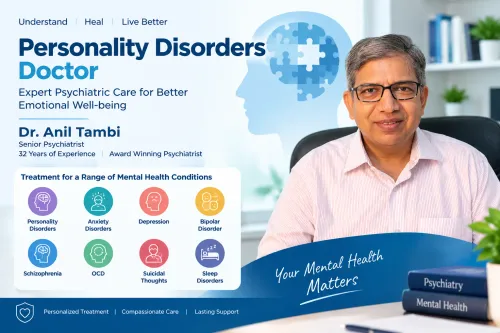
Dr. Anil Tambi is a psychiatrist in Jaipur. Individuals experiencing psychological concerns that affect sexual health may benefit from a professional assessment to understand possible contributing factors and discuss suitable care options.
Addressing sexual dysfunction without embarrassment or stigma is an important step towards better emotional well-being, confidence, and quality of life.
Book a consultation with Dr. Anil Tambi in Jaipur to discuss mental health concerns that may be affecting sexual well-being.
Frequently Asked Questions
1. Can stress cause sexual dysfunction?
Yes. Ongoing stress can affect sexual desire, arousal, and performance in some individuals.
2. Can anxiety affect sexual performance?
Yes. Performance anxiety and persistent worry may contribute to sexual difficulties.
3. Is sexual dysfunction always caused by psychological factors?
No. Physical conditions, hormonal changes, medications, lifestyle factors, and psychological concerns can all contribute.
4. Can counselling help with sexual dysfunction?
Counselling or psychological therapy may help when stress, anxiety, depression, or relationship concerns contribute to the problem.
5. When should someone seek professional help?
Professional evaluation is advisable when symptoms persist, cause distress, or interfere with daily life or relationships.
Conclusion: Psychological factors can influence sexual health, but appropriate assessment and individualised treatment may help address the underlying concerns. Seeking professional guidance from Dr. Anil Tambi in Jaipur can be a positive step towards improved mental and sexual well-being.
Keywords