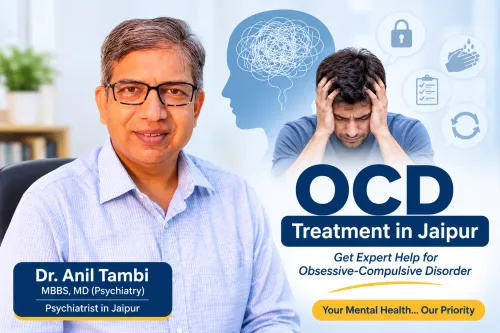
Schizophrenia Care and Psychiatric Treatment in Jaipur | Dr. Anil Tambi
Schizophrenia is a mental health condition that affects how a person thinks, feels, understands situations and perceives reality. It can influence daily activities, relationships, communication, education and professional life. People experiencing schizophrenia may have difficulty distinguishing between their thoughts, beliefs and actual events. With timely diagnosis, appropriate psychiatric treatment and continuous support, many individuals can manage their symptoms and improve their quality of life.
Dr. Anil Tambi provides psychiatric consultation and schizophrenia care in Jaipur, focusing on understanding individual symptoms, evaluating mental health concerns and discussing suitable treatment options.
What Is Schizophrenia?
Schizophrenia is a long-term psychiatric disorder that can affect a person's thinking, emotions, behaviour and perception of reality. It may involve hallucinations, delusions, disorganized thoughts and changes in social behaviour.
The condition can develop gradually or appear with noticeable symptoms over a shorter period. Early psychiatric evaluation is important because timely treatment can help manage symptoms and reduce the impact on everyday life.
Common Symptoms of Schizophrenia
Symptoms of schizophrenia can vary from person to person. Some common signs include:
- Hallucinations: Hearing voices or seeing things that other people do not experience.
- Delusions: Having strong beliefs that are not supported by available evidence.
- Disorganized Thinking: Difficulty organizing thoughts or communicating clearly.
- Social Withdrawal: Avoiding family members, friends and social activities.
- Reduced Motivation: Losing interest in daily responsibilities and personal activities.
- Emotional Changes: Reduced emotional expression or unusual emotional responses.
- Concentration Problems: Difficulty focusing, remembering information or making decisions.
- Behavioural Changes: Unusual or unpredictable changes in everyday behaviour.
Experiencing one or more of these symptoms does not automatically mean someone has schizophrenia. A qualified psychiatrist must conduct a proper assessment.
What Causes Schizophrenia?
There is no single cause of schizophrenia. Research suggests that a combination of biological, genetic and environmental factors may contribute to its development.
Some associated factors include:
- Family history of schizophrenia or other psychiatric conditions.
- Differences in brain development and functioning.
- Changes in brain chemical signalling.
- Certain pregnancy and birth-related complications.
- Exposure to significant environmental stressors.
- Cannabis use, particularly heavy use during adolescence or early adulthood, which is associated with an increased risk.
Having a family history or experiencing stress does not necessarily mean a person will develop schizophrenia.
Diagnosis of Schizophrenia
Schizophrenia diagnosis requires a detailed psychiatric evaluation. A psychiatrist considers the patient's symptoms, medical history, behavioural changes and overall mental health.
The assessment may include:
- Clinical Consultation: Understanding the patient's thoughts, emotions, behaviour and current concerns.
- Medical History: Reviewing personal and family medical and psychiatric history.
- Mental Status Examination: Evaluating thinking patterns, perception, mood and cognitive functioning.
- Additional Investigations: Blood tests or other medical investigations may be recommended when necessary to identify or exclude other causes of symptoms.
- Treatment Planning: Discussing appropriate psychiatric treatment based on the individual's condition.
Early assessment can help identify the condition and guide appropriate care.
Schizophrenia Treatment and Management in Jaipur
Schizophrenia treatment generally involves a combination of psychiatric medication, psychological support and long-term follow-up. The treatment plan depends on symptom severity, medical history, treatment response and individual needs.
Common treatment approaches include:
1. Antipsychotic Medication
Antipsychotic medicines are commonly prescribed to manage symptoms such as hallucinations, delusions and disorganized thinking. The psychiatrist selects suitable medication and dosage after evaluating the patient's condition.
Regular monitoring is important to assess treatment response and manage possible side effects. Patients should never stop or change prescribed medication without consulting their psychiatrist.
2. Psychological Support
Psychological interventions can help individuals understand their condition, manage emotional difficulties and develop practical coping strategies.
3. Family Education and Support
Family involvement can play an important role in schizophrenia management. Educating family members about symptoms, treatment requirements and early warning signs can help create a supportive home environment.
4. Lifestyle and Daily Routine
Maintaining regular sleep patterns, balanced nutrition, physical activity and healthy daily routines may support overall well-being alongside medical treatment.
5. Regular Psychiatric Follow-Up
Ongoing consultations help monitor symptoms, review medication, identify changes in mental health and adjust the treatment plan when required.
Why Early Schizophrenia Treatment Is Important
Delaying psychiatric consultation may allow symptoms to interfere further with personal relationships, education, employment and everyday responsibilities.
Early evaluation and consistent treatment can help:
- Manage hallucinations and delusions.
- Improve communication and social functioning.
- Support emotional stability.
- Reduce the risk of symptom recurrence.
- Improve daily living skills.
- Support participation in family and community activities.
Long-term management should be planned according to the patient's progress and clinical needs.
Schizophrenia Care with Dr. Anil Tambi in Jaipur
Dr. Anil Tambi is an MBBS, MD psychiatrist with 32 years of experience in the field of Psychiatry. He previously served as a Professor in the Department of Psychiatry at SMS Medical College, Jaipur, and as President of the Rajasthan Psychiatric Society.
He is associated with the Vivekananda Institute of Mental Health and Neuro Sciences in Jaipur and provides psychiatric consultation for conditions including schizophrenia, anxiety disorders, depression, bipolar disorder, OCD and sleep disorders.
Individuals and families seeking schizophrenia care in Jaipur can consult Dr. Anil Tambi for psychiatric evaluation, treatment guidance and ongoing mental health support.
When Should You Consult a Psychiatrist?
Consider seeking professional psychiatric help if you or a family member experiences persistent hallucinations, unusual beliefs, significant behavioural changes, social withdrawal, confused thinking or difficulty managing everyday activities.
If someone has suicidal thoughts, is at immediate risk of harming themselves or others, or cannot remain safe, seek urgent medical assistance rather than waiting for a routine appointment.
Early professional support can make an important difference in managing schizophrenia and maintaining long-term mental well-being.
Frequently Asked Questions (FAQs)
1. What is schizophrenia?
Schizophrenia is a psychiatric disorder that affects thinking, emotions, behaviour and perception of reality. It may cause hallucinations, delusions, disorganized thoughts and social withdrawal.
2. What are the early warning signs of schizophrenia?
Early signs may include social isolation, unusual suspiciousness, difficulty concentrating, changes in sleep, reduced motivation and changes in communication or behaviour.
3. Can schizophrenia be treated?
Yes. Schizophrenia can be managed with appropriate psychiatric medication, psychological interventions, family support and regular follow-up. Treatment outcomes vary between individuals.
4. Is schizophrenia a lifelong condition?
Schizophrenia is often a long-term condition, but its symptoms and severity can change over time. Some individuals experience substantial improvement or remission with appropriate treatment and continued care.
5. Does schizophrenia require medication?
Medication is commonly an important part of schizophrenia treatment. A psychiatrist determines the appropriate medicines and monitors their effectiveness and side effects.
6. Can people with schizophrenia lead a normal life?
Many people with schizophrenia can participate in family life, education, work and social activities with suitable treatment, rehabilitation and support.
7. When should a family member seek psychiatric help?
A psychiatric consultation is recommended when a person experiences persistent hallucinations, unusual beliefs, significant behavioural changes, confusion or social withdrawal.
8. Where can I consult for schizophrenia treatment in Jaipur?
Dr. Anil Tambi provides psychiatric consultation and schizophrenia care in Jaipur. His clinic is located in Malviya Nagar, Jaipur.
Book a Psychiatric Consultation with Dr. Anil Tambi
If you or someone in your family is experiencing symptoms associated with schizophrenia, seeking timely psychiatric guidance is an important step towards better mental health.
Dr. Anil Tambi – Psychiatrist in Jaipur
- Qualification: MBBS, MD
- Experience: 32 Years in Psychiatry
- Address: A-630, Kalgeri Road, Govind Marg, Near Rungata Hospital, Malviya Nagar, Jaipur, Rajasthan – 302017.
- Contact: 08048036983
Keywords